
The U.S. Coast Guard replaced Type I–V (PFD) classification system - What does this mean?
You can keep your Type III vest and its original label. An older Coast Guard-approved life jacket still counts as a wearable personal flotation device (PFD) on a U.S. recreational boat if it’s in good working condition, fits the wearer, and you use it as the label directs. Check that you can still read the Coast Guard approval number inside. An older Type IV cushion still counts as a throwable only.
What changed on the tag?
The switch happened in stages. On , the Coast Guard removed the old Type codes from its recreational boating rules for which PFDs to carry and how to label them. In , it finalized its policy for approving Level 70 PFDs. On , its rule adopting shared U.S. and Canadian approval standards for Levels 50, 70 and 100 took effect.
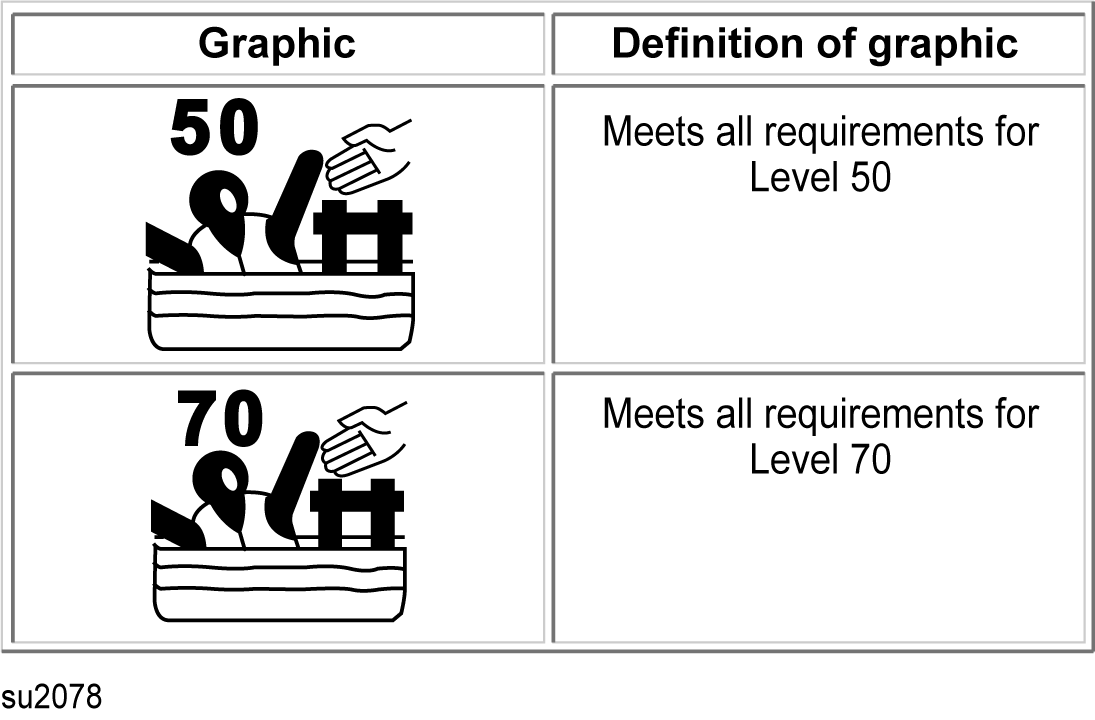
Older Coast Guard labels group PFDs by Type. Newer labels use a performance Level and symbols. You’ll see both Type III and Level 70 on paddling vests, but there’s no one-to-one conversion. Start with the marking on your own jacket.

The Level number describes buoyancy in newtons. For scale, 70 newtons is about 15.7 pounds of lift. U.S. Coast Guard guide to Types and Levels.
Which PFD would we pull off the rack?
| Your trip | What we carry at SOTAR |
|---|---|
| A quiet lake paddle | The adult NRS Crew Universal is a Level 70 vest with a front zipper and adjustable sides for flatwater close to shore. |
| A day at the oars | Want room to reach forward? Try the low-profile Astral YTV 2.0. If you prefer a side zipper and a contoured fit through the bust, try the Astral Layla. |
| High-float rafting | The NRS Big Water Guide is a Type III with 22.9 lb of flotation. The adult NRS Big Water V is a commercial rafting vest with 25.1 lb and a flotation collar. |
| A young paddler | The Astral Otter 2.0 is sized for kids weighing 50–90 lb and includes leg straps. Choose the size that fits your child today. |
| Swiftwater rescue | The Astral GreenJacket has a quick-release rescue harness. It’s built for paddlers with swiftwater rescue training. |
Check the fit before you launch
- Start with the inside label. Check for U.S. Coast Guard approval, the intended activity, and the wearer’s weight and chest measurements.
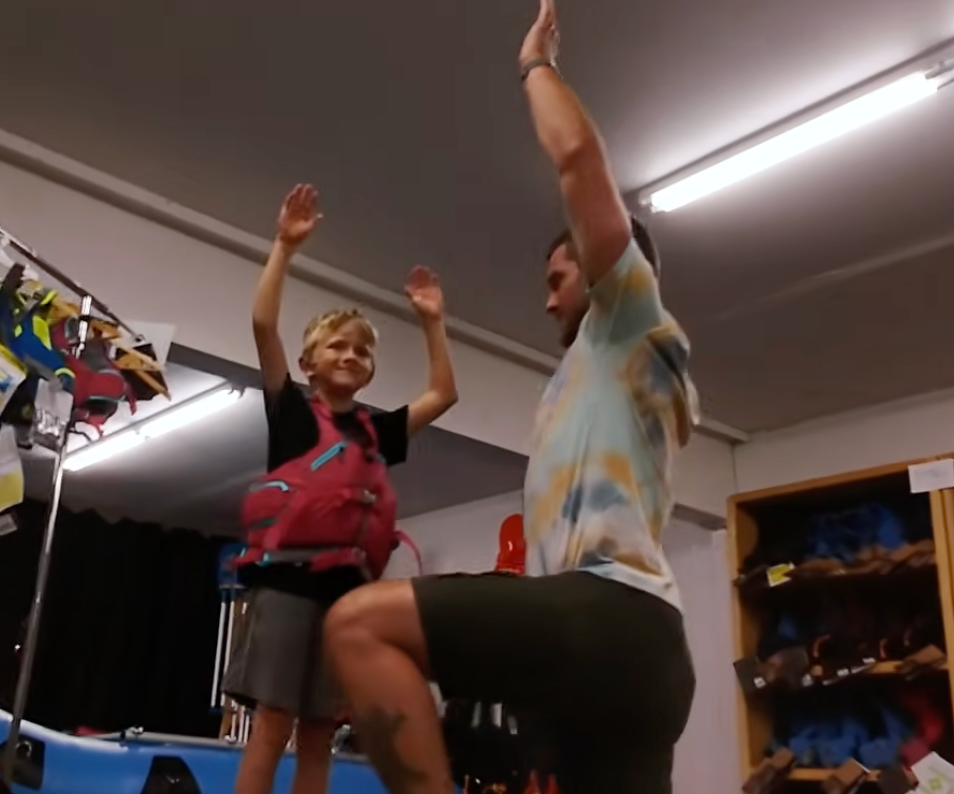
- Try it over your river layers. Fasten every closure and snug the straps. Raise your arms while a buddy gently lifts the jacket at the shoulders. If it rides up to your chin or ears, readjust it or try a different size or cut.
- Take a few strokes. Sit as you would in the raft and reach for an imaginary oar. You should be able to row and breathe comfortably. With a buddy, try the fit in calm, shallow water and make sure your mouth and nose stay clear. Wear it from launch to takeout.
Boating in Oregon? On Class III and harder river sections, everyone aboard a raft must wear a properly secured, U.S. Coast Guard-approved, non-inflatable PFD suitable for whitewater. Here, “Class III” describes the rapids. Oregon State Marine Board life jacket guide.
More from the U.S. Coast Guard · Choosing and wearing a life jacket · 2014 label rule · 2019 Level 70 policy · 2025 approval rule
Swing by our shop in Merlin, Oregon, with the layers you boat in. Tell us which stretch you’re running and who’s coming along. We’ll help you find a fit before you hit the water.
Shop SOTAR’s PFD's
SOTAR was one of OREGON's 2026 Fit to Float locations




Partager:
La science d'une entreprise familiale : l'histoire de Jeremiah
How to seal a pinhole leak with Liquid Lex